Medical Equipment Products in Bangladesh
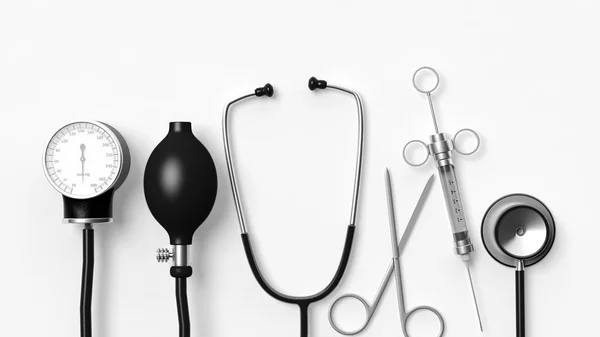
Medical Equipment Products in Bangladesh| The healthcare sector in Bangladesh is rapidly evolving, with an increasing emphasis on modern medical equipment to enhance patient care and diagnostic accuracy. The demand for high-quality medical equipment products has surged, driven by the need for advanced healthcare services. This article delves into the range of medical equipment available in Bangladesh, highlighting key products, their uses, and where to find them.
Types of Medical Equipment
Medical equipment can be broadly categorized into diagnostic, therapeutic, surgical, and life-support equipment. Each category plays a crucial role in different aspects of healthcare.
1. Diagnostic Equipment
Diagnostic equipment is essential for accurately identifying medical conditions. In Bangladesh, the following diagnostic tools are widely used:
- X-Ray Machines: These machines are indispensable in hospitals and diagnostic centers for imaging bones and detecting fractures.
- Ultrasound Machines: Commonly used for prenatal care and soft tissue imaging, ultrasound machines are a staple in gynecology and radiology departments.
- MRI Scanners: Magnetic Resonance Imaging (MRI) scanners provide detailed images of the body’s internal structures, aiding in the diagnosis of various conditions.
- CT Scanners: Computed Tomography (CT) scanners are crucial for detecting internal injuries and tumors with high precision.
2. Therapeutic Equipment
Therapeutic equipment aids in the treatment and rehabilitation of patients. Key therapeutic equipment available in Bangladesh includes:
- Dialysis Machines: Essential for patients with kidney failure, dialysis machines filter blood to remove waste products.
- Physiotherapy Equipment: This includes items like electrotherapy devices, ultrasound therapy units, and exercise equipment to aid in physical rehabilitation.
- Infusion Pumps: Used to deliver fluids, medications, and nutrients into a patient’s bloodstream in controlled amounts.
3. Surgical Equipment
Surgical equipment encompasses a wide range of instruments used during surgical procedures. Important surgical equipment includes:
- Operating Tables: Adjustable tables designed to position patients optimally during surgery.
- Surgical Lights: Provide bright, focused light in the operating room to ensure visibility during procedures.
- Anesthesia Machines: Deliver anesthetic gases to patients and monitor their vital signs during surgery.
4. Life-Support Equipment
Life-support equipment is critical for maintaining and stabilizing patients’ vital functions. Common life-support equipment in Bangladeshi hospitals includes:
- Ventilators: Mechanical devices that support or replace spontaneous breathing.
- Defibrillators: Devices that deliver a dose of electrical energy to the heart to restore normal heart rhythm in case of cardiac arrest.
- Patient Monitors: Continuously monitor vital signs such as heart rate, blood pressure, and oxygen saturation.
Key Suppliers of Medical Equipment in Bangladesh
Several companies and distributors supply medical equipment in Bangladesh, ensuring that healthcare facilities have access to the latest technology. Some notable suppliers include:
- JMI Group: A leading healthcare company that manufactures and distributes a wide range of medical equipment, including diagnostic and therapeutic devices.
- Medtronic Bangladesh: Offers advanced medical technology solutions, including surgical equipment and life-support devices.
- Siemens Healthineers: Known for its high-quality diagnostic imaging systems, Siemens provides MRI, CT, and X-ray machines to hospitals and diagnostic centers.
- Beximco Pharmaceuticals: In addition to pharmaceuticals, Beximco supplies medical devices and equipment to healthcare facilities across the country.
Factors to Consider When Purchasing Medical Equipment
When acquiring medical equipment, healthcare providers in Bangladesh should consider the following factors:
- Quality and Reliability: Ensure the equipment meets international standards and is reliable for long-term use.
- After-Sales Support: Choose suppliers that offer robust after-sales support, including maintenance and repair services.
- Cost-Effectiveness: Balance the initial cost with the long-term benefits and efficiency of the equipment.
- Training and Usability: Ensure that staff are adequately trained to use the equipment and that it is user-friendly.